

How to improve the quality of recycled plastic pellets from a Pelletizing Extrusion Line?
Aug 11, 2026
Leave a message
Hey there! As a supplier of Pelletizing Extrusion Lines, I've seen firsthand the challenges and opportunities in improving the quality of recycled plastic pellets. In this blog, I'll share some practical tips and insights on how you can achieve better results with your pelletizing process.
Understanding the Basics of Pelletizing Extrusion
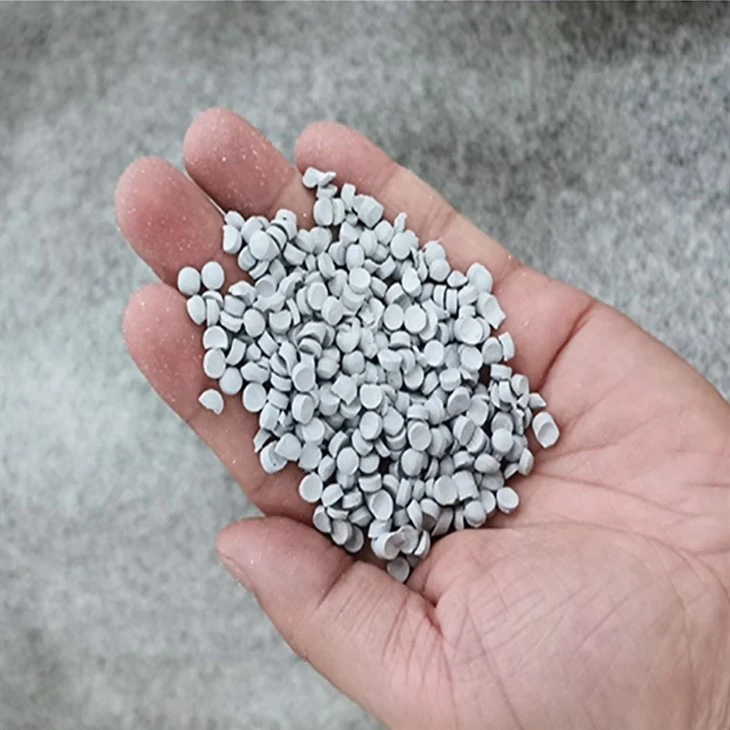
Before we dive into the tips, let's quickly go over what a Pelletizing Extrusion Line does. Essentially, it takes recycled plastic materials and turns them into uniform pellets. These pellets can then be used to make a variety of plastic products. The process involves melting the plastic, extruding it through a die, and then cutting it into small pellets.
Selecting the Right Raw Materials
The quality of your recycled plastic pellets starts with the raw materials. You want to make sure you're using high - quality recycled plastics. Look for plastics that are relatively clean and free from contaminants like dirt, metal, and other non - plastic materials.
Sorting the plastics properly is crucial. Different types of plastics have different melting points and properties. For example, PET (polyethylene terephthalate) has different characteristics compared to HDPE (high - density polyethylene). Mixing incompatible plastics can lead to poor - quality pellets. You can invest in a good sorting system or work with suppliers who can provide pre - sorted recycled plastics.
Pre - Treatment of Raw Materials
Once you've selected the right raw materials, pre - treatment is the next step. This can involve washing the plastics to remove any remaining dirt or debris. You can use a simple water - based washing system or more advanced chemical cleaning methods depending on the level of contamination.
Drying the plastics is also important. Moisture in the plastic can cause problems during the extrusion process, such as bubbling or uneven melting. You can use a dryer to remove the moisture before feeding the plastics into the Pelletizing Extrusion Line.
Choosing the Right Pelletizing Extrusion Line
As a supplier, I know that not all Pelletizing Extrusion Lines are created equal. You need to choose a line that is suitable for your specific needs. For example, if you're working with PVC, you might want to consider a Twin Screw Extruder PVC Pelletizing Extrusion Line. Twin - screw extruders are great for mixing and melting plastics, and they can provide better control over the extrusion process.
If you're dealing with bio - degradable plastics, a Bio - degradable Plastics Compounding and Pelletizing Machine might be the way to go. These machines are designed to handle the unique properties of bio - degradable materials and can help you produce high - quality pellets.
Optimizing the Extrusion Process
The extrusion process is where the magic happens. To improve the quality of your pellets, you need to optimize several factors.
Temperature Control
Temperature is one of the most important factors in the extrusion process. Different plastics have different melting points, and you need to set the temperature of the extruder accordingly. If the temperature is too low, the plastic won't melt properly, and you'll end up with incomplete pellets. If the temperature is too high, the plastic can degrade, which will also affect the quality of the pellets.
Screw Speed
The screw speed of the extruder also plays a role in the quality of the pellets. A higher screw speed can increase the throughput, but it can also cause the plastic to shear too much, which can lead to poor - quality pellets. You need to find the right balance between screw speed and pellet quality.
Die Design
The die is the part of the extruder that shapes the plastic into pellets. The design of the die can have a big impact on the quality of the pellets. You want to choose a die that is designed for the specific type of plastic you're working with. A well - designed die will produce uniform pellets with consistent size and shape.
Post - Extrusion Treatment
After the pellets are formed, post - extrusion treatment can further improve their quality.
Cooling
Cooling the pellets quickly is important to prevent them from sticking together. You can use a water - cooling system or an air - cooling system. The cooling process should be uniform to ensure that all the pellets have the same properties.
Screening
Screening the pellets can help remove any irregular or defective pellets. You can use a vibrating screen or a rotating screen to separate the good pellets from the bad ones. This will improve the overall quality of your pellet product.
Quality Control
Implementing a quality control system is essential to ensure that you're producing high - quality recycled plastic pellets. You can use various testing methods, such as measuring the density, melt flow index, and tensile strength of the pellets. These tests will give you an idea of the quality of your pellets and help you identify any issues in the production process.
Using Additives
Additives can also be used to improve the quality of recycled plastic pellets. For example, antioxidants can be added to prevent the plastic from oxidizing during the extrusion process. Lubricants can be used to reduce friction and improve the flow of the plastic.

If you're looking for an eco - friendly option, you might consider using a Eco - friendly Grafting & Chain Extension Pelletizing Extrusion Line. This type of line can use additives to improve the properties of the recycled plastic without causing harm to the environment.
Working with Petrochemical Powders
If you're working with petrochemical powders, a Petrochemical Powder To Pellets Twin Screw Compounder can be a great choice. These compounders are designed to mix and melt petrochemical powders into high - quality pellets.
Conclusion
Improving the quality of recycled plastic pellets from a Pelletizing Extrusion Line is a multi - step process. It starts with selecting the right raw materials, pre - treating them properly, choosing the right extrusion line, optimizing the extrusion process, and implementing quality control measures.
If you're looking to improve your pelletizing process or are in the market for a new Pelletizing Extrusion Line, don't hesitate to reach out. We're here to help you find the best solution for your needs. Contact us to start a discussion about your requirements and how we can assist you in achieving high - quality recycled plastic pellets.
References
- Plastics Recycling Handbook. Edited by some experts in the field.
- Extrusion Technology for Plastics. A well - known book on extrusion processes.