



Bio-degradable Plastics Compounding And Pelletizing Machine manufacturers

Bio-degradable Plastics Compounding And Pelletizing Machine suppliers

Bio-degradable Plastics Compounding And Pelletizing Machine factory

Bio-degradable Plastics Compounding And Pelletizing Machine best
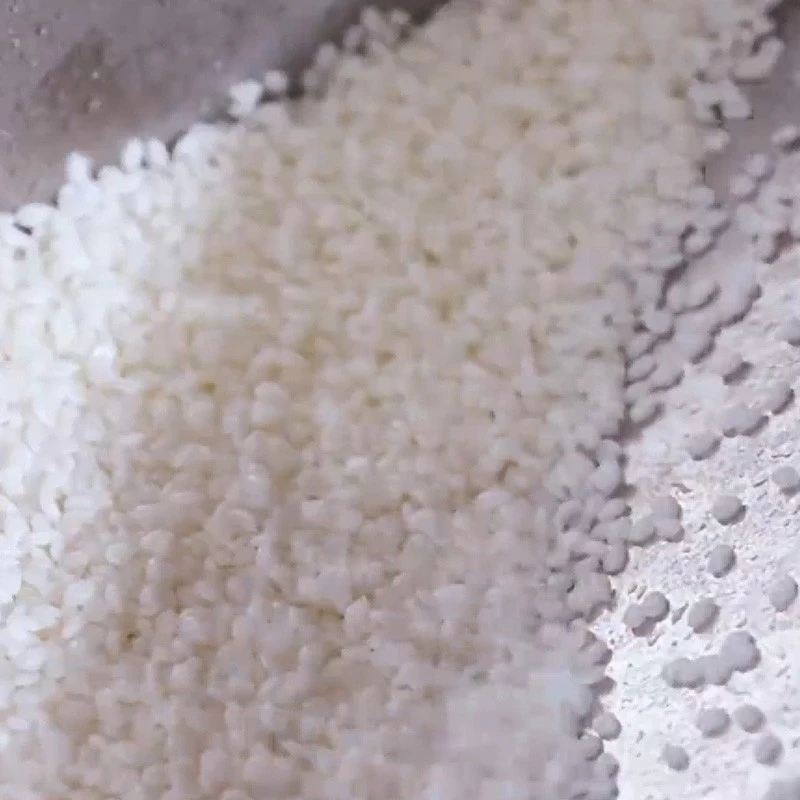
Bio-degradable Plastics Compounding And Pelletizing Machine high quality
Bio-degradable Plastics Compounding and Pelletizing Machine
Description
Compounding and Pelletizing Machine Performance & Advantages

Specialized Twin-screw Extrusion System
-
High-torque gearbox
Delivers a specific torque of 9–12 N·m/cm³, meeting the demands of high-filler compounding.
-
Modular screw design
The screw configuration can be flexibly adjusted for different materials and formulations to achieve optimal mixing and plasticizing performance.
-
Wear- and corrosion-resistant materials
The screws and barrels are made of 40CrMoTi alloy steel and treated with nitriding and bimetallic processes for long-lasting durability.

High-efficiency Devolatilization and Exhaust System
-
Multi-stage vacuum venting
Equipped with 3–5 vacuum vents to effectively remove residual monomers and moisture.
-
Special vent design
Prevents material carry-over, improves devolatilization efficiency, and produces bubble-free, odor-free pellets.
-
Exhaust gas treatment system
Equipped with activated carbon adsorption units to meet environmental emission standards.

Multiple Granulation Process Options
-
Air-cooled die-face pelletizing
Suitable for most biodegradable materials, producing uniform, well-shaped pellets with high throughput.
-
Underwater pelletizing
Ideal for highly viscous or sticky materials, delivering smooth, dust-free pellets.
-
Strand pelletizing
Well suited for small-batch, multi-grade production. Simple to operate and easy to maintain.
Compounding and Pelletizing Machine Specification

|
Model |
L/D |
Speed rpm |
Capacity for reference kg/hr |
|
CJWH75 |
40-56 |
300 |
350 |
|
CJWH95 |
40-56 |
300 |
650 |
|
CJWS75 |
40-56 |
300 |
440 |
|
CJWS95 |
40-56 |
300 |
850 |
|
CJWS75 Plus |
40-56 |
300 |
560 |
|
CJWS95 Plus |
40-56 |
300 |
1020 |
Suitable Materials
| Material | Application |
|
PLA
|
Compostable Packaging
|
|
PBAT
|
Flexible Film
|
|
PBS
|
Disposable Products
|
|
PHA
|
High-end Bioplastics
|
|
TPS
|
Starch-based Products
|
|
PLA/PBAT Blends
|
Shopping Bags
|
|
Mineral Filled Compounds
|
Cost Reduction
|
Challenges in Biodegradable Plastic Compounding
Manufacturers often face:
Poor dispersion of fillers
Moisture sensitivity of PLA
Marial degradation during processing
Inconsistent pellet quality
Difficult formulation optimization
JWELL's compounding technology is designed to address these challenges through optimized screw configurations, vacuum devolatilization and precise temperature control.
Applications of Biodegradable Plastic Pellets

Compostable Shopping Bags,Biodegradable Film,Food Packaging,Disposable Cutlery,Agricultural Mulch Film,Medical Consumables,3D Printing Materials,Injection Molding Products
PLA vs PBAT vs PBS: Which Biodegradable Material Should You Choose?
| Property | PLA | PBAT | PBS |
|
Flexibility
|
Low
|
High
|
Medium
|
|
Heat Resistance
|
Medium
|
Low
|
High
|
|
Compostability
|
Excellent
|
Excellent
|
Excellent
|
|
Cost
|
Lower
|
Higher
|
Higher
|
Company Profile

Jwell was founded in 1997, China Plastics Machinery Industry Association vice president unit, plastic extrusion equipment, chemical fiber spinning complete sets of equipment manufacturers. The production bases of Jwell company cover approximately 1,000,000 square meters and consist of 11 domestic factories and 3 foreign factories. The company has 26 professional subsidiaries and three heat treatment nitriding plants. It has an annual output of over 3000 sets of high - grade plastic extrusion production lines and other complete sets of equipment, which are sold in more than 120 countries and regions.
Certification

FAQ
Q: 1. What biodegradable materials can be processed?
A: 1. Our biodegradable plastics compounding and pelletizing line is suitable for a wide range of compostable and bio-based materials, including PLA, PBAT, PBS, PCL, PPC, TPS, PHA, and their blends. The line can also process starch-filled, mineral-filled, and biomass-filled biodegradable compounds for various packaging, agricultural, and consumer product applications.
Q: 2. Can recycled biodegradable plastics be processed?
A: 2. Yes. The line can be configured to process certain recycled biodegradable materials, including production scrap and post-industrial waste generated during manufacturing. Depending on the material condition, additional drying, filtration, or compounding systems may be integrated to improve pellet quality and production stability.
Q: 3. Can the line produce compostable compounds?
A: 3. Yes. The line is designed for manufacturing compostable compounds based on PLA, PBAT, PBS, PHA, TPS, and other biodegradable polymers. It can be used to produce materials suitable for compostable bags, food packaging, agricultural films, disposable tableware, and other environmentally friendly products. The final compostability certification depends on the formulation and finished product design.
Q: 4. How is moisture removed during compounding?
A: 4. Moisture control is critical when processing biodegradable plastics. Our system incorporates multi-stage vacuum degassing technology with up to 3–5 vacuum venting zones. This efficiently removes moisture, residual monomers, and volatile substances during extrusion, helping to improve pellet quality, reduce defects, and maintain material performance.
Q: 5. How does your factory do regarding quality control?
A: 5. We have passed the IS09001:2015 Quality Management System and CE certificate and we have a special QC department in charge of products' quality. If you also need other certificates, we also can help to apply.
Q: 6. How can we get spare parts?
A: 6. We adopt international brands that customers can find anywhere, such as Siemens, Schneider, Omron, Delixi, etc. We can also send parts via DHL, Fedex, TNT express or by air.
Hot Tags: bio-degradable plastics compounding and pelletizing machine, China bio-degradable plastics compounding and pelletizing machine manufacturers, suppliers, factory, Compounding and Pelletizing Machine, Pelletizing Extrusion Line, pelletizing line, PVC Pelletizing Extrusion Line, Twin Screw Compounder
Previous
No InformationSend Inquiry


