

How to maintain the vacuum system in a pipe extrusion line?
Aug 19, 2026
Leave a message
Maintaining the vacuum system in a pipe extrusion line is crucial for ensuring the quality and efficiency of the extrusion process. As a leading pipe extrusion line supplier, we understand the importance of proper maintenance and its impact on the overall performance of your production line. In this blog post, we will discuss the key steps and best practices for maintaining the vacuum system in a pipe extrusion line.
Understanding the Vacuum System in a Pipe Extrusion Line
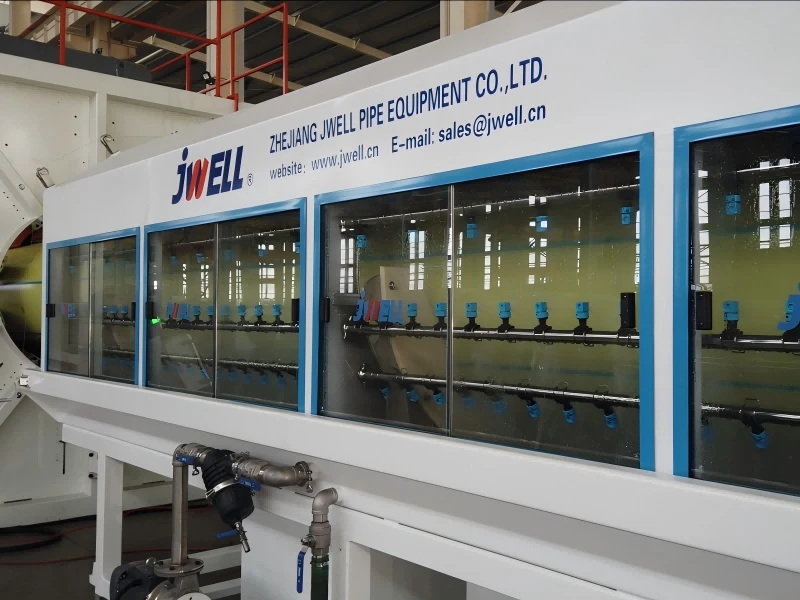
Before delving into maintenance procedures, it is essential to have a basic understanding of how the vacuum system works in a pipe extrusion line. The vacuum system is responsible for creating a negative pressure environment around the extruded pipe, which helps to shape the pipe, remove air bubbles, and ensure a smooth surface finish. It typically consists of a vacuum pump, vacuum tank, valves, pipes, and connectors.
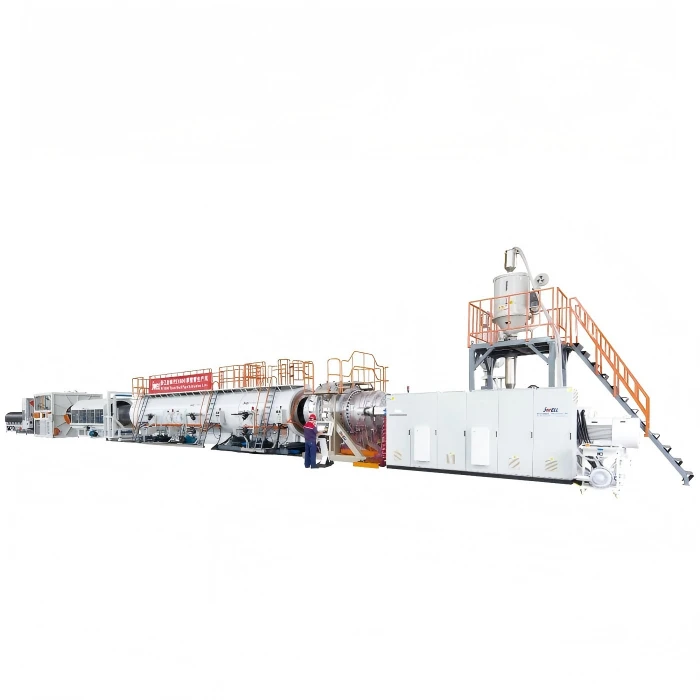
The vacuum pump is the heart of the system, generating the required vacuum pressure. The vacuum tank acts as a buffer, storing the vacuum and providing a stable pressure source. Valves control the flow of air and vacuum, while pipes and connectors transport the vacuum to the extrusion die.
Regular Inspection and Cleaning
Regular inspection and cleaning are the foundation of vacuum system maintenance. Here are some key areas to focus on:
Vacuum Pump
- Check the oil level regularly and change the oil according to the manufacturer's recommendations. Dirty or low oil can reduce the pump's efficiency and lifespan.
- Inspect the pump for any signs of wear, such as leaks, abnormal noises, or vibration. If any issues are detected, address them immediately to prevent further damage.
- Clean the pump's intake and exhaust filters to ensure proper airflow. Clogged filters can restrict air intake and reduce the pump's performance.
Vacuum Tank
- Inspect the vacuum tank for any signs of corrosion, leaks, or damage. If any issues are found, repair or replace the tank as necessary.
- Clean the vacuum tank regularly to remove any dirt, debris, or moisture that may accumulate inside. This helps to maintain the vacuum quality and prevent damage to the pump.
Valves, Pipes, and Connectors
- Check all valves, pipes, and connectors for leaks or blockages. Tighten any loose connections and replace any damaged components.
- Clean the valves, pipes, and connectors to remove any dirt, debris, or plastic residue that may affect the vacuum flow. This ensures proper operation of the system and prevents pressure drops.
Monitoring Vacuum Pressure
Monitoring the vacuum pressure is essential for maintaining the quality of the extruded pipe. Here are some tips for effective pressure monitoring:
- Install a pressure gauge on the vacuum system to continuously monitor the pressure. This allows you to detect any changes or fluctuations in the pressure, which may indicate a problem with the system.
- Set the desired vacuum pressure based on the specific requirements of your extrusion process. Different pipe sizes, materials, and extrusion speeds may require different vacuum pressures.
- Regularly compare the actual vacuum pressure with the desired pressure. If there is a significant difference, investigate the cause and take appropriate measures to correct it. This may involve adjusting the pump speed, checking for leaks, or cleaning the system.
Lubrication and Sealing
Proper lubrication and sealing are crucial for the smooth operation of the vacuum system. Here are some important points to consider:
Lubrication
- Follow the manufacturer's recommendations for lubricating the vacuum pump. Use the appropriate lubricant and apply it at the recommended intervals.
- Lubrication helps to reduce friction, wear, and heat generation in the pump, ensuring its long-term reliability.
Sealing
- Check the seals on the vacuum pump, valves, pipes, and connectors regularly. Replace any worn or damaged seals to prevent air leaks and maintain the vacuum integrity.
- Use high-quality seals that are compatible with the operating conditions of the vacuum system. This helps to ensure a tight seal and prevent pressure drops.
Training and Operator Awareness
Proper training and operator awareness are essential for the effective maintenance of the vacuum system. Here are some key steps to take:
- Provide comprehensive training to your operators on the operation and maintenance of the vacuum system. This includes how to start and stop the system, how to monitor the pressure, and how to perform basic maintenance tasks.
- Encourage operators to report any issues or abnormalities they notice during the operation of the system. This helps to detect problems early and prevent costly breakdowns.
- Establish a regular maintenance schedule and ensure that operators follow it diligently. This includes routine inspections, cleaning, and lubrication tasks.
Troubleshooting Common Issues
Despite proper maintenance, issues may still arise with the vacuum system. Here are some common problems and their possible solutions:
Low Vacuum Pressure
- Check for leaks in the system by using a leak detector or soapy water. Repair any leaks found.
- Clean the intake and exhaust filters of the vacuum pump to ensure proper airflow.
- Check the pump's oil level and quality. If necessary, change the oil.
- Inspect the valves and pipes for blockages. Clear any blockages found.
High Vacuum Pressure
- Check for restrictions in the vacuum line, such as pinched pipes or clogged filters. Remove any restrictions.
- Adjust the pump speed or the valve settings to reduce the pressure.
- Check the vacuum tank for overfilling. If necessary, drain the excess fluid.
Abnormal Noise or Vibration
- Inspect the vacuum pump for loose parts or worn bearings. Tighten any loose parts or replace the bearings as needed.
- Check the pump's alignment. If the pump is misaligned, realign it according to the manufacturer's instructions.
- Ensure that the pump is properly mounted and secured. Loose mounting can cause excessive vibration and noise.
Conclusion
Maintaining the vacuum system in a pipe extrusion line is essential for ensuring the quality and efficiency of the extrusion process. By following the key steps and best practices outlined in this blog post, you can keep your vacuum system in optimal condition and minimize downtime and production losses.
If you are in the market for a new pipe extrusion line or need assistance with maintaining your existing system, we are here to help. We offer a wide range of pipe extrusion lines, including the Special Application Single-Wall and Double -Wall Corrugated Pipe Extrusion Machine, PE Insulation Pipe Extrusion Line, Horizontal Type Single Wall/Double Wall Corrugated Pipe Machine, Large Diameter HDPE Hollow Wall Pipe Extrusion Line, and HDPE Steel Wire Frame Plastic Pipe. Our experienced team of engineers and technicians can provide you with expert advice and support to meet your specific needs.
Contact us today to learn more about our products and services and to discuss your pipe extrusion requirements. We look forward to working with you to achieve your production goals.
References
- Manufacturer's manuals for vacuum pumps, valves, and other components of the vacuum system.
- Industry standards and best practices for pipe extrusion line maintenance.